Antibiotics Market, By Inhibitor Types (Protein Synthesis, Cell Wall, DNA, and RNA), By Drug Class (Fluoroquinolones, Cephalosporin, Penicillin, Macrolides, Carbapenems, Aminoglycosides) and Geography (NA, EU, APAC, and RoW) Analysis, Share, Trends, Size, & Forecast From 2014 2025

|
Report ID
AV178
|
Published Date
September 2020
|
Pages
102
|
Industry
Healthcare
|
|
|
Base Year
2025
|
Historical Data
2019-2024
|
Delivery Timeline
24 Hour
|
REPORT HIGHLIGHT
The antibiotics market is estimated to represent a global market of USD 43.9 billion by 2017 with growth rate of 4.9%.
Market Dynamics
Across the world, the number of individuals suffering from chronic diseases is on the rise. As per the World Health Organization (WHO), chronic disease accounts for more than 60% of all deaths, i.e. 36 million deaths out of 57 million global deaths. Antibiotics are increasingly used in the management of infectious and chronic conditions such as asthma, cystic fibrosis, COPD, and others. Thereby, the demand for antibiotics is more likely to increase for the treatment of these disease conditions, as the incidences of chronic diseases pick up. Meanwhile, numerous national and international initiatives aimed at financially incentivizing the R&D activities of antibiotics. Some of the major initiatives are New Drugs for Bad Bugs (ND4BB) program by the Innovative Medicines Initiative (IMI), Joint Programming Initiative on Antimicrobial Resistance (JPIAMR), and Broad Spectrum Antimicrobials Program and Combating Antibiotic-Resistant Bacteria Biopharmaceutical Accelerator (CARB-X). Such types of initiatives would, in turn, support the growth over the study period.
However, growing concern over antibiotic overuse is expected to hinder the industry growth to some extent. Overuse of these drugs may develop resistance to antimicrobial medications which is considered to be a serious public health threat to the world. According to the statement by European Centre for Disease Prevention and Control (ECDC) in November 2012, around 25,000 people die every year due to antibiotic-resistant bacterial infections in European countries.
Inhibitor Type Takeaway
By inhibitor types, the industry is divided into Protein Synthesis, Cell Wall, DNA, RNA, and other inhibitors. Cell wall synthesis inhibitors accounted for the highest share of the total market. In 2017, the segment captured around 42% share of the overall market and is projected to dominate the industry. This drug class includes antibiotics such as penicillin, cephalosporin, and Carbapenems. These are one of the most important groups of antibiotics and offers the greatest activity against gram-positive and negative bacteria. Cell wall synthesis inhibitors act by prohibiting the synthesis of the peptidoglycan layer, which is a crucial element for the structural activity of the cell wall. However, RNA segment is projected to grow with the highest growth rate and is pegged to register a 6.2% CAGR in terms of value.
Drug Class Takeaway
Drug class is categorized into Fluoroquinolones, Cephalosporin, Penicillin, Macrolides, Carbapenems, Aminoglycosides, and other. Growing by approximately 3% to 4% every year, cephalosporin drug class is the highest revenue generating segment throughout the study period. The growth of this bactericidal agent is majorly attributed to the rising demand for 4th and 5th generation therapeutics such as Ceftaroline fosamil, Cefpirome, and Ceftobiprole. On another side, aminoglycosides captured less than 5% share (i.e. lowest) of the global industry in 2017. Others segment comprise of tetracyclines, sulphonamides, monoclonal antibodies, imidazole, and many more.
Regional Takeaway
Regionally, Asia Pacific region is accounted for the largest share of the worldwide market. In 2017, the region captured almost 47% share of the overall market. Increasing prevalence of infectious and chronic diseases coupled with rising interest of global players to invest in this market support the regional growth. While the industry is on a high growth trajectory in developing regions, demand and advancement in regions like North America, and Europe is constantly increasing. Growth is mainly supported by the favorable reimbursement policies, rising demand for branded therapeutics, and increasing R&D activities.
Key Vendor Takeaway
Novartis AG, Johnson & Johnson, Pfizer, Inc., GlaxoSmithKline, Bayer AG, and AstraZeneca are studied in detail. The industry is largely controlled by well-established companies even though the share of small-scale players is noticeable too. Companies such as Johnson & Johnson, Pfizer, and Novartis are considered to be a giant player in this market owing to their strong product pipeline and strategic expansion.
For example, Pfizer, Inc. offers a broad range of antibiotics that includes Diflucan, Zithromax/Zmax, Unasyn, Vfend, Sulperazon, Tygacil, and others. Of these, in 2015, antibiotics such as Zyvox (USD 883 million), and Vfend (USD 682 million) recorded the highest revenue. The industry exhibits a high level of competition. Since the market is in the mature phase, barriers to entry are low. Still, in such a fragmented landscape, most antibiotic companies compete only with other local or regional players.
The market size and forecast for each segment and sub-segments has been considered as below:
- Historical Year – 2014 & 2016
- Base Year – 2017
- Estimated Year – 2018
- Projected Year – 2025
TARGET AUDIENCE
- Traders, Distributors, and Suppliers
- Manufacturers
- Hospitals
- Government and Regional Agencies and Research Organizations
- Consultants
- Distributors
SCOPE OF THE REPORT
The scope of this report covers the market by its major segments, which include as follows:
MARKET, BY INHIBITOR TYPE
- Protein Synthesis
- Cell Wall
- DNA
- RNA
- Others
MARKET, BY DRUG CLASS
- Fluoroquinolones
- Cephalosporin
- Penicillin
- Macrolides
- Carbapenems
- Aminoglycosides
- Other
MARKET, BY REGION
- North America
- U.S.
- Canada
- Europe
- Germany
- France
- Rest of Europe
- Asia Pacific
- India
- China
- Rest of APAC
- Rest of the World
- Middle East and Africa
- Latin America
TABLE OF CONTENT
1. ANTIBIOTICS MARKET OVERVIEW
1.1. Study Scope
1.2. Assumption and Methodology
2. EXECUTIVE SUMMARY
2.1. Key Market Facts
2.2. Geographical Scenario
2.3. Companies in the Market
3. ANTIBIOTICS KEY MARKET TRENDS
3.1. Market Drivers
3.1.1. Impact Analysis of Market Drivers
3.2. Market Restraints
3.2.1. Impact Analysis of Market Restraints
3.3. Market Opportunities
3.4. Market Future Trends
4. ANTIBIOTICS INDUSTRY STUDY
4.1. Porter’s Analysis
4.2. Market Attractiveness Analysis
4.3. Regulatory Framework Analysis
5. ANTIBIOTICS MARKET LANDSCAPE
5.1. Market Share Analysis
6. ANTIBIOTICS MARKET – BY INHIBITOR TYPES:
6.1. Overview
6.2. Protein Synthesis Inhibitors
6.2.1. Overview
6.2.2. Market Analysis, Forecast, and Y-O-Y Growth Rate, 2014 – 2025, (US$ Billion)
6.3. Cell Wall Inhibitors
6.3.1. Overview
6.3.2. Market Analysis, Forecast, and Y-O-Y Growth Rate, 2014 – 2025, (US$ Billion)
6.4. DNA Synthesis Inhibitors
6.4.1. Overview
6.4.2. Market Analysis, Forecast, and Y-O-Y Growth Rate, 2014 – 2025, (US$ Billion)
6.5. RNA Synthesis Inhibitors
6.5.1. Overview
6.5.2. Market Analysis, Forecast, and Y-O-Y Growth Rate, 2014 – 2025, (US$ Billion)
6.6. Others
6.6.1. Overview
6.6.2. Market Analysis, Forecast, and Y-O-Y Growth Rate, 2014 – 2025, (US$ Billion)
7. ANTIBIOTICS MARKET – BY DRUG CLASS
7.1. Overview
7.2. Fluoroquinolones
7.2.1. Overview
7.2.2. Market Analysis, Forecast, and Y-O-Y Growth Rate, 2014 – 2025, (US$ Billion)
7.3. Cephalosporin
7.3.1. Overview
7.3.2. Market Analysis, Forecast, and Y-O-Y Growth Rate, 2014 – 2025, (US$ Billion)
7.4. Penicillin
7.4.1. Overview
7.4.2. Market Analysis, Forecast, and Y-O-Y Growth Rate, 2014 – 2025, (US$ Billion)
7.5. Macrolides
7.5.1. Overview
7.5.2. Market Analysis, Forecast, and Y-O-Y Growth Rate, 2014 – 2025, (US$ Billion)
7.6. Carbapenems
7.6.1. Overview
7.6.2. Market Analysis, Forecast, and Y-O-Y Growth Rate, 2014 – 2025, (US$ Billion)
7.7. Aminoglycosides
7.7.1. Overview
7.7.2. Market Analysis, Forecast, and Y-O-Y Growth Rate, 2014 – 2025, (US$ Billion)
7.8. Other
7.8.1. Overview
7.8.2. Market Analysis, Forecast, and Y-O-Y Growth Rate, 2014 – 2025, (US$ Billion)
8. ANTIBIOTICS MARKET– BY GEOGRAPHY
8.1. Introduction
8.2. North America
8.2.1. Overview
8.2.2. Market Analysis, Forecast, and Y-O-Y Growth Rate, 2014 – 2025, (US$ Billion)
8.2.3. U.S.
8.2.3.1. Overview
8.2.3.2. Market Analysis, Forecast, and Y-O-Y Growth Rate, 2014 – 2025, (US$ Billion)
8.2.4. Canada
8.2.4.1. Overview
8.2.4.2. Market Analysis, Forecast, and Y-O-Y Growth Rate, 2014 – 2025, (US$ Billion)
8.3. Europe
8.3.1. Overview
8.3.2. Market Analysis, Forecast, and Y-O-Y Growth Rate, 2014 – 2025, (US$ Billion)
8.3.3. France
8.3.3.1. Overview
8.3.3.2. Market Analysis, Forecast, and Y-O-Y Growth Rate, 2014 – 2025, (US$ Billion)
8.3.4. Germany
8.3.4.1. Overview
8.3.4.2. Market Analysis, Forecast, and Y-O-Y Growth Rate, 2014 – 2025, (US$ Billion)
8.3.5. Rest of Europe
8.3.5.1. Overview
8.3.5.2. Market Analysis, Forecast, and Y-O-Y Growth Rate, 2014 – 2025, (US$ Billion)
8.4. Asia Pacific (APAC)
8.4.1. Overview
8.4.2. Market Analysis, Forecast, and Y-O-Y Growth Rate, 2014 – 2025, (US$ Billion)
8.4.3. China
8.4.3.1. Overview
8.4.3.2. Market Analysis, Forecast, and Y-O-Y Growth Rate, 2014 – 2025, (US$ Billion)
8.4.4. India
8.4.4.1. Overview
8.4.4.2. Market Analysis, Forecast, and Y-O-Y Growth Rate, 2014 – 2025, (US$ Billion)
8.4.5. Rest of APAC
8.4.5.1. Overview
8.4.5.2. Market Analysis, Forecast, and Y-O-Y Growth Rate, 2014 – 2025, (US$ Billion)
8.5. Rest of the World
8.5.1. Overview
8.5.2. Market Analysis, Forecast, and Y-O-Y Growth Rate, 2014 – 2025, (US$ Billion)
8.5.3. Latin America
8.5.3.1. Overview
8.5.3.2. Market Analysis, Forecast, and Y-O-Y Growth Rate, 2014 – 2025, (US$ Billion)
8.5.4. Middle East and Africa
8.5.4.1. Overview
8.5.4.2. Market Analysis, Forecast, and Y-O-Y Growth Rate, 2014 – 2025, (US$ Billion)
9. KEY VENDOR ANALYSIS
9.1. Novartis AG
9.1.1. Company Overview
9.1.2. SWOT Analysis
9.1.3. Key Developments
9.2. Johnson & Johnson
9.2.1. Company Overview
9.2.2. SWOT Analysis
9.2.3. Key Developments
9.3. Pfizer, Inc.
9.3.1. Company Overview
9.3.2. SWOT Analysis
9.3.3. Key Developments
9.4. GlaxoSmithKline, Inc.
9.4.1. Company Overview
9.4.2. SWOT Analysis
9.4.3. Key Developments
9.5. Bayer AG
9.5.1. Company Overview
9.5.2. SWOT Analysis
9.5.3. Key Developments
9.6. AstraZeneca plc
9.6.1. Company Overview
9.6.2. SWOT Analysis
9.6.3. Key Developments
*Client can request additional company profiling as per specific requirements
10. 360 DEGREE ANALYSTVIEW
11. APPENDIX
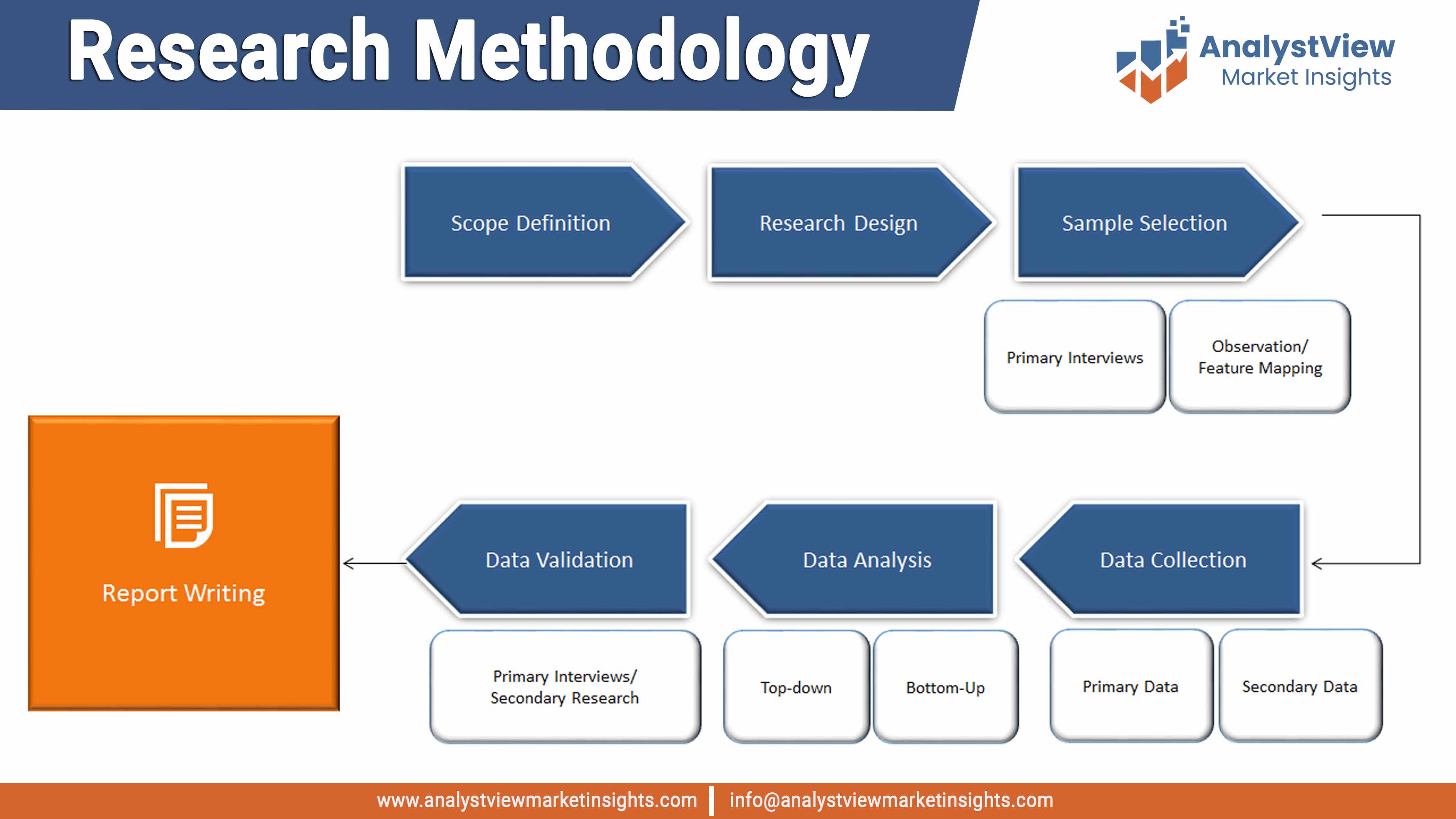
11.1. Research Methodology
11.2. Abbreviations
11.3. Disclaimer
11.4. Contact Us
List of Tables
Table 1 List of Acronyms
Table 2 Key Market Facts, 2014 – 2025
Table 3 Market Drivers: Impact Analysis
Table 4 Market Restraint: Impact Analysis
Table 5 Market Opportunity: Impact Analysis
Table 6 PEST Analysis
Table 7 Porter’s Five Forces Analysis
Table 8 Company Market Share Analysis
Table 9 Global Antibiotics Market Analysis, Forecast, and Y-O-Y Growth Rate, 2014 – 2025, (US$ Billion)
Table 10 Antibiotics Market, by Inhibitor Types, 2014 – 2025 (USD Billion)
Table 11 Antibiotics Market, by Drug Class, 2014 – 2025 (USD Billion)
Table 12 Antibiotics Market, by Geography, 2014 – 2025 (USD Billion)
Table 13 North America Antibiotics Market, 2014 – 2025 (USD Billion)
Table 14 U.S. Antibiotics Market, 2014 – 2025 (USD Billion)
Table 15 Canada Antibiotics Market, 2014 – 2025 (USD Billion)
Table 16 Europe Antibiotics Market, 2014 – 2025 (USD Billion)
Table 17 France Antibiotics Market, 2014 – 2025 (USD Billion)
Table 18 Germany Antibiotics Market, 2014 – 2025 (USD Billion)
Table 19 Asia Pacific Antibiotics Market, 2014 – 2025 (USD Billion)
Table 20 China Antibiotics Market, 2014 – 2025 (USD Billion)
Table 21 India Antibiotics Market, 2014 – 2025 (USD Billion)
Table 22 Latin America Antibiotics Market, 2014 – 2025 (USD Billion)
Table 23 MEA Antibiotics Market, 2014 – 2025 (USD Billion)
List of Figures
Figure 1 Research Methodology
Figure 2 Research Process Flow Chart
Figure 3 Comparative Analysis, by Geography, 2016-2025 (Value %)
Figure 4 Regulatory Framework Analysis
Figure 5 Antibiotics Market, by Inhibitor Types, 2014 – 2025 (USD Billion)
Figure 6 Antibiotics Market, by Drug Class, 2014 – 2025 (USD Billion)
Figure 7 Antibiotics Market, by Geography, 2014 – 2025 (USD Billion)


Related Reports
Credibility and Certifications
Trusted Insights, Certified Excellence! Analystview Market Insights is a certified data advisory and business consulting firm recognized by global institutes.
 ISO 9001:2015
 ESOMAR Corporate
 GDPR Compliance
 D-U-N-S Registered
 BBB Accreditation
 MRS
MRS